


-
AICE Marine Science Paper 2 Exam Tips
Master the AICE Marine Science Paper 2 Exam with this comprehensive guide for teachers and homeschooled students! Learn how to design controlled experiments, analyze data, use sampling techniques, apply mark-release-recapture, calculate biodiversity with Simpson’s Index, and interpret Spearman’s Rank Correlation. Get expert tips, step-by-step strategies, and past paper practice advice to boost your exam confidence…
-
AICE Marine Science Paper 1 Exam Tips
The AICE Marine Science Paper 1 Exam assesses students’ marine science knowledge through various question types, requiring effective preparation and time management strategies for success.
-

Practical Skills Lesson 04 | Evaluating Investigations and Drawing Conclusions
The content outlines a lesson plan covering the identification of systematic and random errors in experiments, ways to improve experiments, proper data analysis and calculations, interpreting patterns and trends in data, drawing conclusions, and a practical activity for students to analyze marine data. It also includes an exit ticket and homework assignment focused on note-taking.
-

Practical Skills Lesson 03: Presenting Data and Observations
The lesson plan for day 3 covers data presentation at the Cambridge level, including rules for graphing data using line graphs, bar graphs, or histograms. Students engage in small group activities to create and analyze graphs, with the homework task focused on transcribing notes from the lecture presentation.
-

Review Chapter 2 Earth Processes
This lesson plan focuses on enhancing AICE Marine Science exam success through targeted review of key concepts, exam strategies, and collaborative learning.
-
Review Chapter 2 Earth Processes
This lesson plan focuses on enhancing AICE Marine Science exam success through targeted review of key concepts, exam strategies, and collaborative learning.
-

Ocean currents, Upwelling and El Nino
The lesson plan emphasizes teaching ocean processes like currents and ENSO, aiming to enhance AICE Marine Science students’ understanding and exam success.
-

Tides: Spring tides and Neap tides
The lesson plan focuses on teaching tides, their formation, influences, and interpretation, enhancing AICE Marine Science students’ exam success through engaging methods.
-

The morphology of rocky shores, sandy shores, muddy shores, estuaries and deltas
AICE Marine Science lesson focuses on teaching weathering, erosion, sedimentation, and littoral zones to improve student exam performance.
-
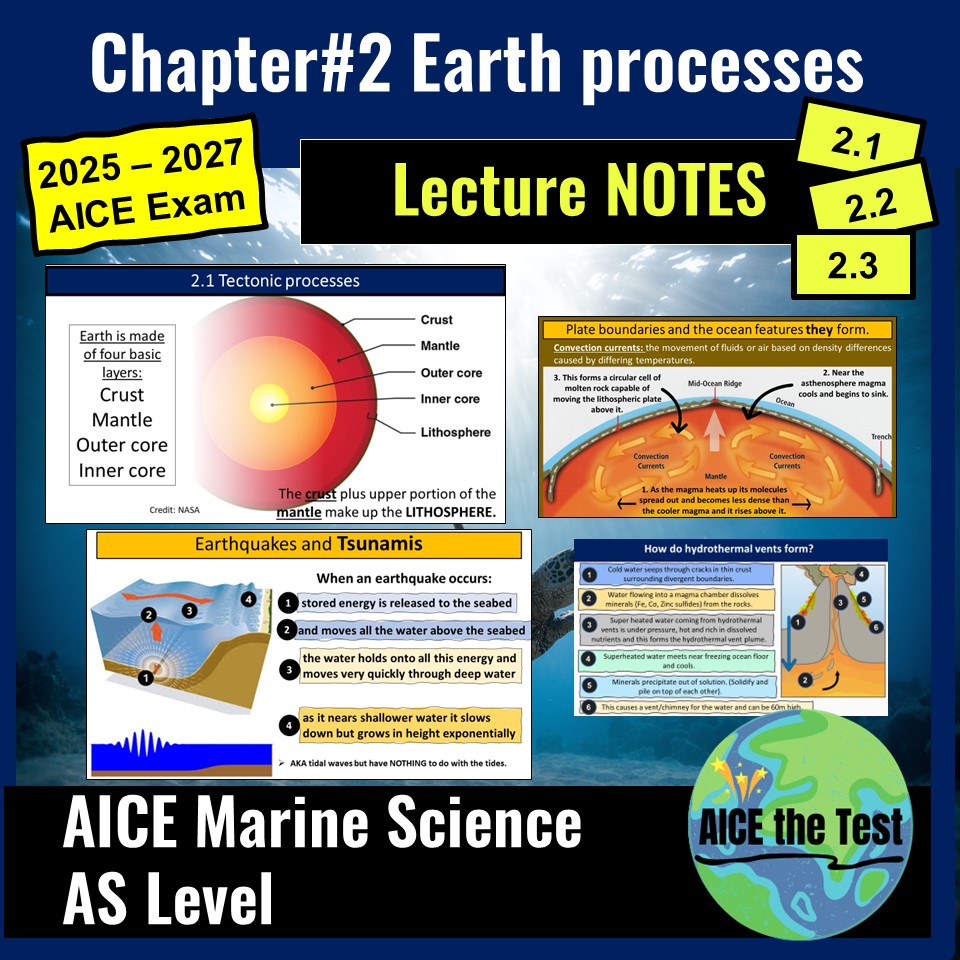
Tectonic processes: The structure of Earth’s interior, plate tectonics and plate boundaries
The lesson plan focuses on Earth’s structure and plate tectonics for AICE Marine Science, covering concepts, processes, evidence, and the classification of plate boundaries to enhance student understanding.
-

AICE Marine Science AS Chapter 1 Water Day 7
The importance of using AICE style questions for review in Marine Science cannot be overstated. By familiarizing students with exam formats, targeting key content, and promoting higher-order thinking, teachers can significantly enhance student success. Customized questions, immediate feedback, and student engagement further amplify the benefits. Integrating these questions into teaching practices is an invaluable strategy.
-

AICE Marine Science AS Practical Skills Day 10
On day #10, assessing students with Cambridge style questions tailors instruction, provides feedback, and helps meet educational standards.
-
AICE Marine Science AS Practical Skills Day 9
In Marine Science education, practical skills and AICE style questions are essential for aspiring scientists. Teachers focus on reviewing practical skills topics and AICE style questions to prepare students for the rigorous assessments they will face. This approach helps students grasp theoretical concepts and excel in conducting accurate research. Practical activities and practice questions are…
-
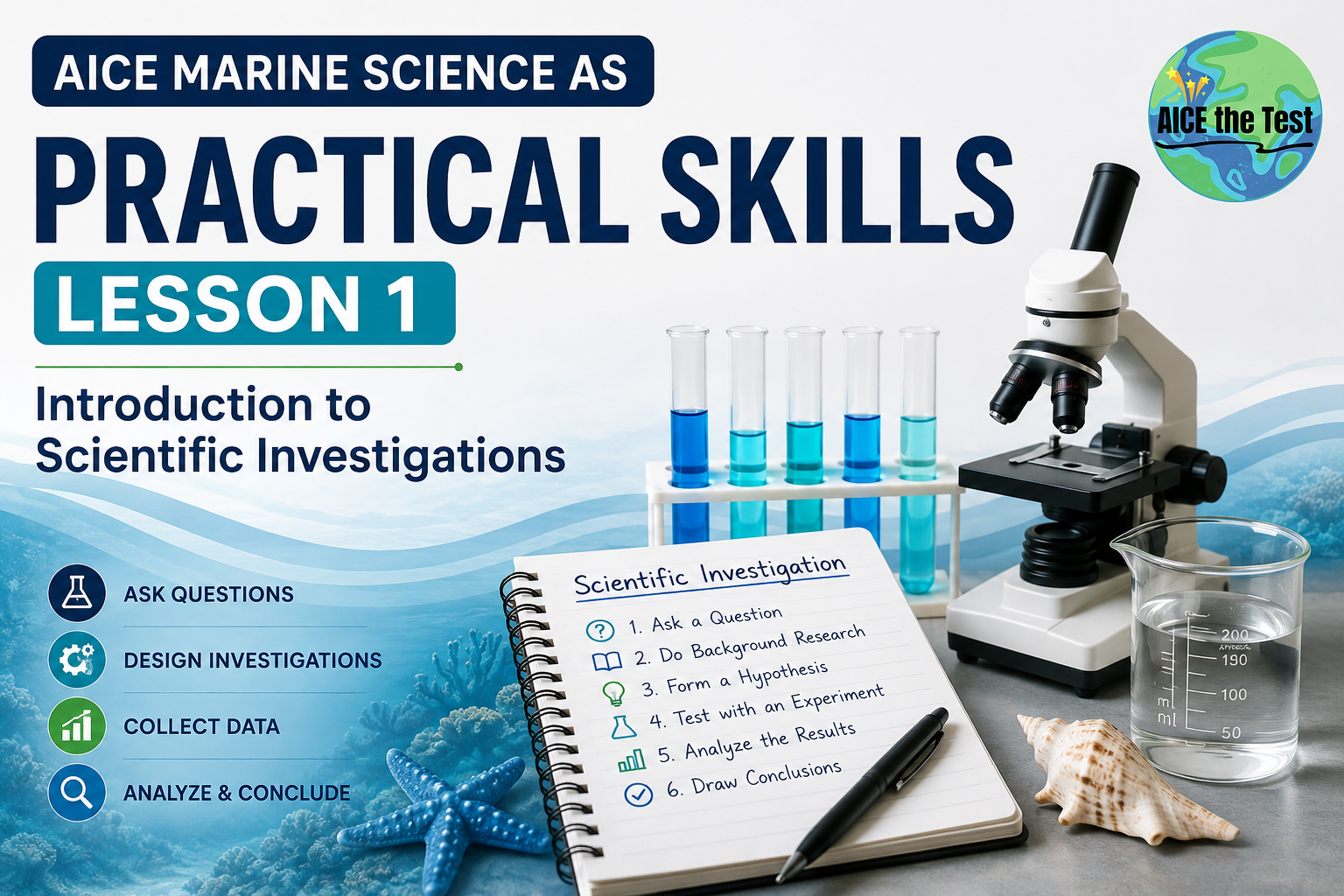
Practical Skills Lesson 01: Introduction to Scientific Investigations
AICE Marine Science AS Practical Skills Lesson 01: Introduction to Scientific Investigations 📖 Introduction Scientific investigations are at the heart of AICE Marine Science, providing students with the skills needed to collect, analyze, and interpret scientific data. In this first Practical Skills lesson, students are introduced to the fundamental principles of experimental design and learn…
-
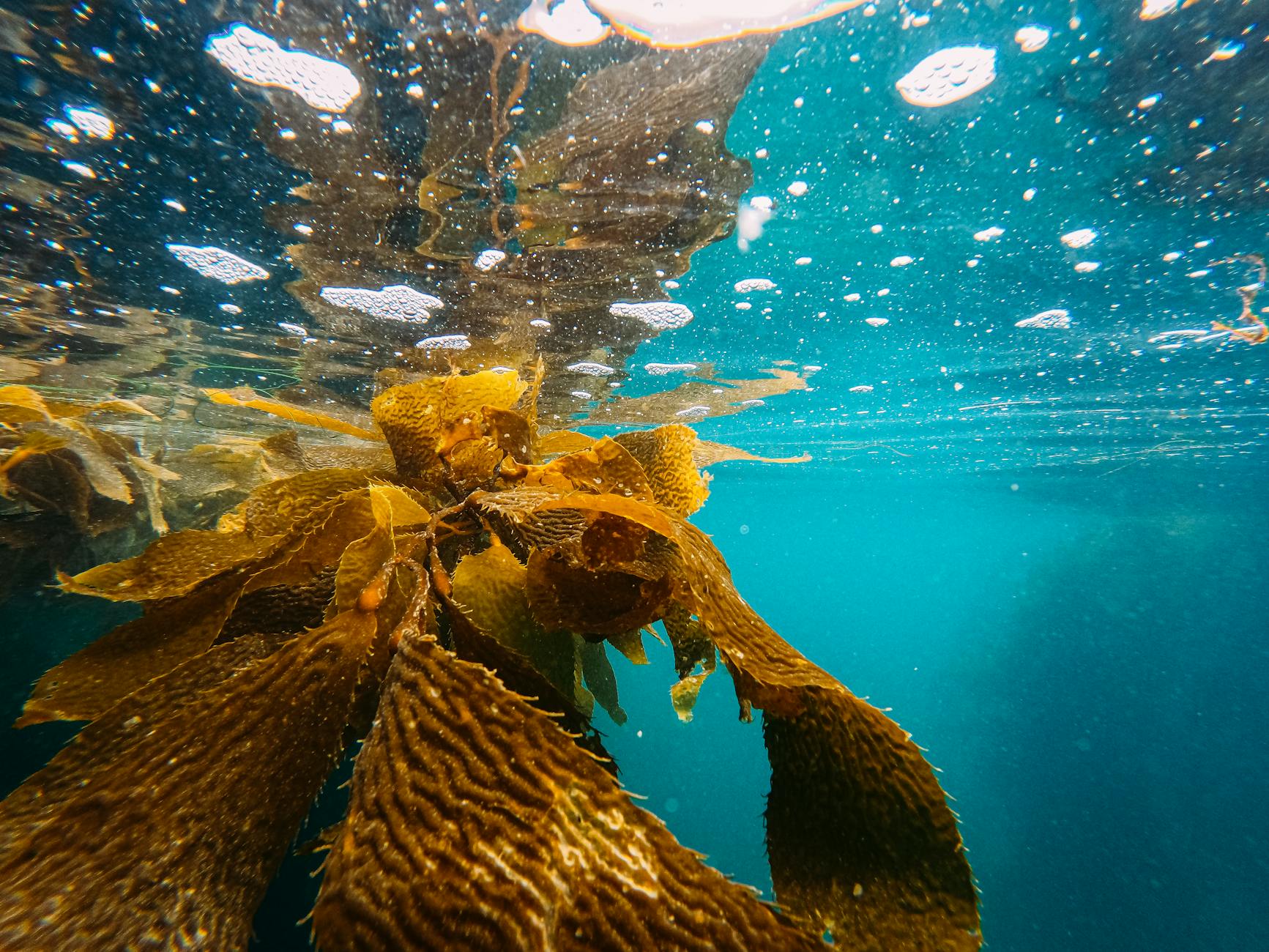
AICE Marine Science AS Chapter 4 Classification and Biodiversity Day 5
The lesson plan focuses on enhancing AICE Marine Science exam pass rates by teaching macroalgae and marine plants effectively. It includes objectives, materials, a lesson outline, and strategies such as using engaging videos and small group activities. The post emphasizes the ecological and economic importance of these marine organisms to create a dynamic learning environment.
-

Key Groups of Marine Organisms – AICE Marine Science AS
The lesson plan for Chapter 4 of AICE Marine Science focuses on key objectives such as identifying marine organisms, understanding the importance of fish species, and studying chordates. Using engaging strategies like videos and group activities, instructors can enhance student learning and performance on the AICE Marine Science Exam. Homework involves copying notes for deeper…
-
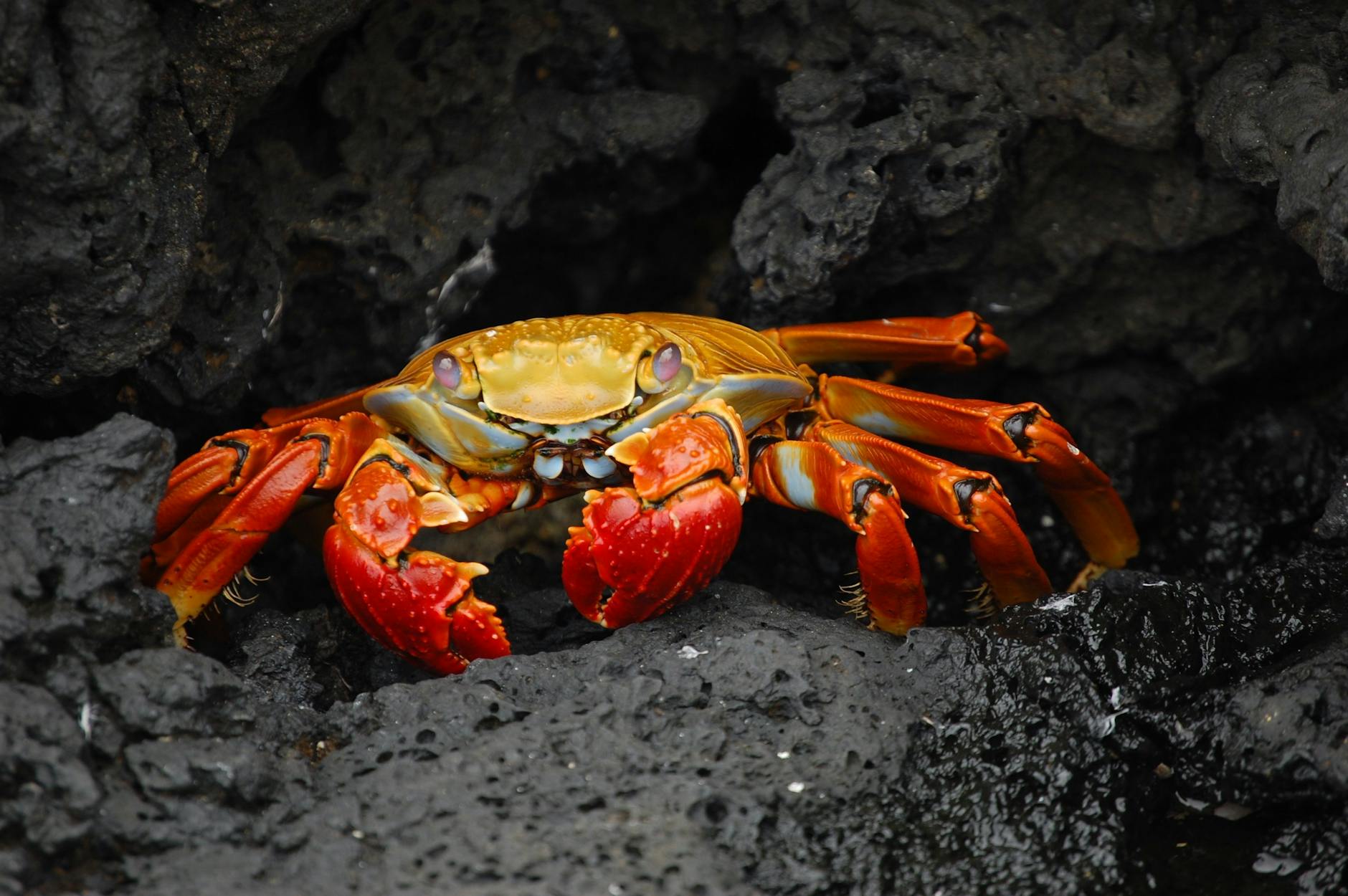
AICE Marine Science AS Chapter 4 Classification and Biodiversity Day 3
This post explores effective teaching strategies for AICE Marine Science, focusing on crustaceans. It covers key objectives, materials, lesson outline, and homework tasks. The lesson plan includes engaging hooks, detailed instruction, small group activities, and exit ticket ideas to create a dynamic learning environment and improve students’ success rates.
-
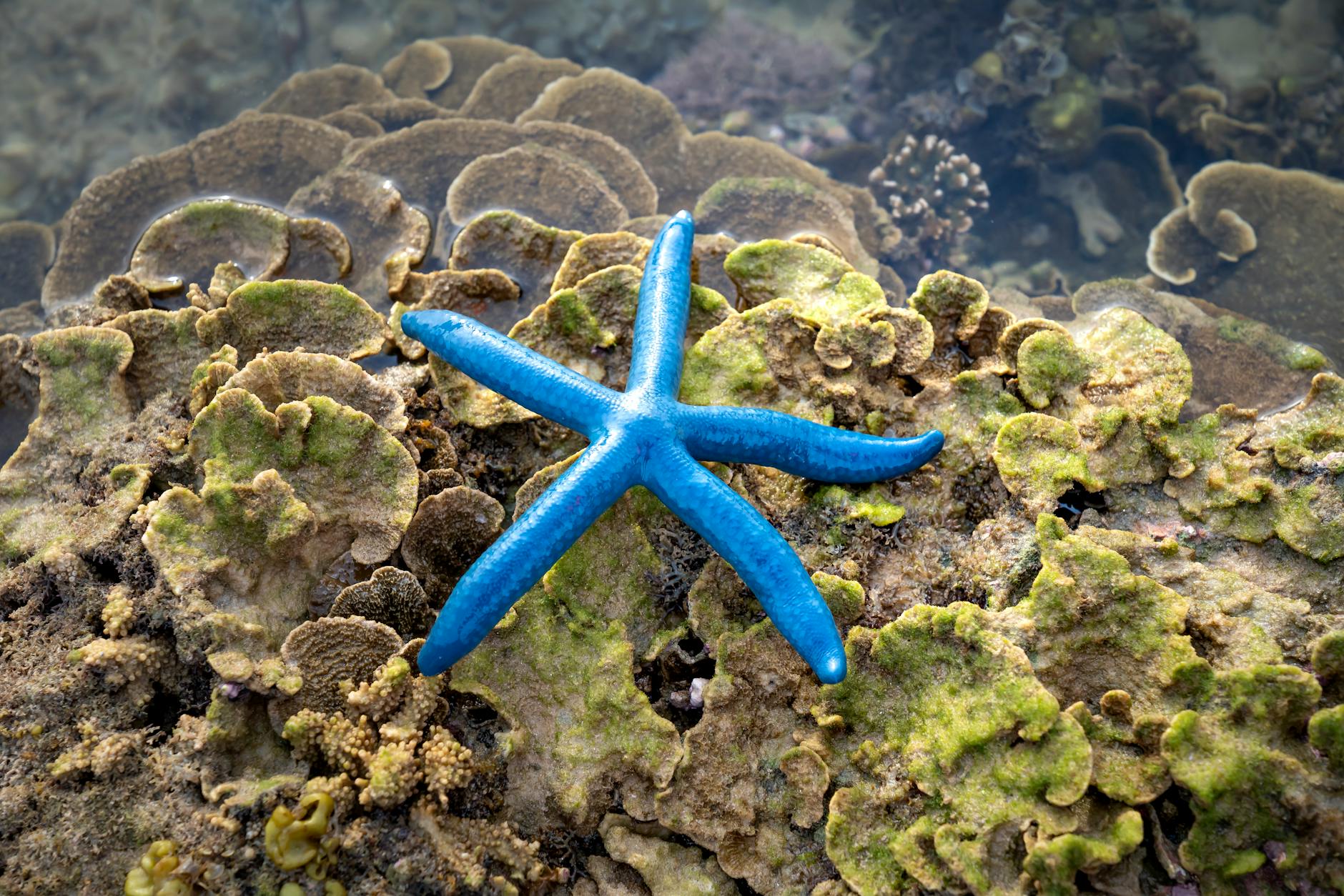
AICE Marine Science AS Chapter 4 Classification and Biodiversity Day 2
This blog post focuses on improving AICE Marine Science exam success by effectively teaching plankton and echinoderms. It highlights teaching strategies for understanding phytoplankton, zooplankton, adult echinoderm features, and their ecological and economic importance. Incorporating engaging hooks, visual aids, and hands-on activities is essential for student success.
-

AICE Marine Science AS Chapter 4 Classification and Biodiversity Day 1
This post focuses on strategies for teaching taxonomy and classification in AICE Marine Science, emphasizing the importance of accessible and engaging lesson plans. It outlines objectives, materials, lesson outline, and homework tasks, aiming to boost student confidence and performance in exams while fostering an appreciation for marine life diversity and organization.

AICE Marine Science AS
Categorise
- 1. Introduction to Environmental Management
- 2. Environmental Research and Data Collection
- 3. Managing Human Population
- 4. Managing Ecosystems and Biodiversity
- 5. Managing Resources
- 6. Managing Water Supplies
- 7. Managing the Atmosphere
- 8. Managing Climate Change
- AICE Environmental Exam Prep
- AICE Environmental Management
- AICE Marine Exam Preparation
- AICE Marine Science AS
- Chapter 0 Practical Skills
- Chapter 1 Water
- Chapter 2 Earth Processes
- Chapter 3 Interactions in Marine Ecosystems
- Chapter 4 Classification and Biodiversity
- Chapter 5 Examples of Marine Ecosystems
