


-

AICE Marine Science AS Chapter 5 Examples of marine ecosystems Day 12
The lesson plan for Day#11 focuses on marine ecosystems, covering the open ocean, tropical coral reefs, rocky shores, sandy shores, and mangrove forests. The assessment includes vocabulary definitions, prediction, and calculation. AICE-style testing and a case study on ocean geoengineering are also integrated for effective exam preparation and learning outcomes.
-

AICE Marine Science AS Chapter 5 Examples of marine ecosystems Day 10
This blog post provides effective strategies for teaching marine ecosystems in AICE Marine Science. It emphasizes mastering key topics such as the open ocean, tropical coral reefs, rocky shores, sandy shores, and mangrove forests. The post outlines objectives, materials, a lesson plan, and homework, highlighting the importance of AICE style questions in enhancing student success.
-

AICE Marine Science AS Chapter 5 Examples of marine ecosystems Day 8 and 9
In Chapter 5, students will research human impacts on different ecosystems, focusing on marine ecosystems. The lesson plan includes objectives, materials, vocabulary, a bellringer activity, and homework tasks. The approach aims to free up class time for engaging activities and discussions by having students compile notes outside of class.
-
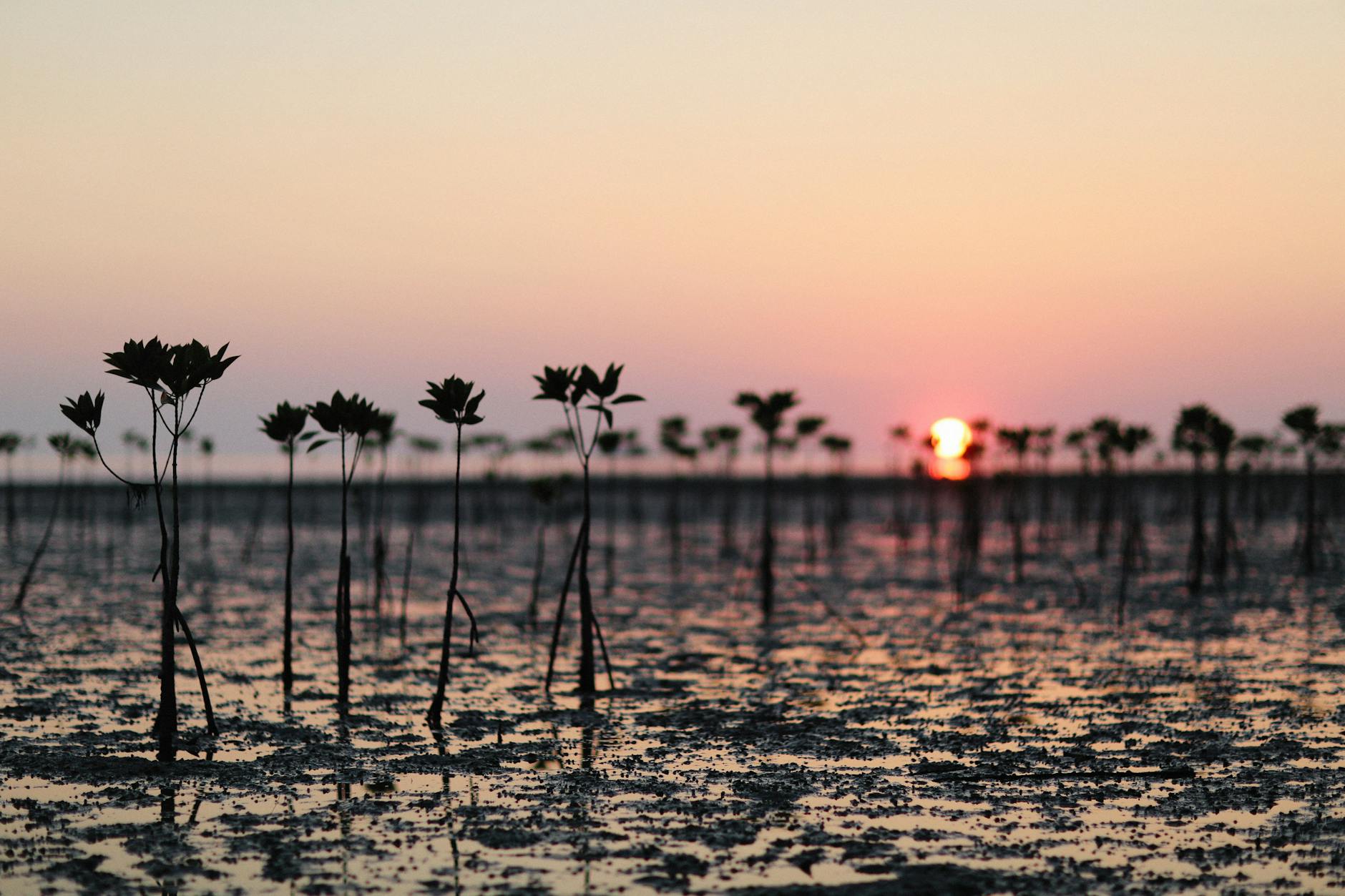
AICE Marine Science AS Chapter 5 Examples of marine ecosystems Day 7
This blog post provides effective strategies for teaching mangrove forests in AICE Marine Science, aiming to enhance student understanding and exam performance. It outlines objectives, materials, lesson plan, and activities, including a video hook and individual craft activity. By incorporating these methods, teachers can help students grasp complex topics and improve exam results.
-

AICE Marine Science AS Chapter 5 Examples of marine ecosystems Day 6
This blog post discusses strategies for teaching the effect of particle size on the permeability of substrates in AICE Marine Science. The objective is to improve students’ understanding and exam passing rates. It provides a lesson plan, materials, and homework tasks to enhance learning and engagement in the subject.
-

AICE Marine Science AS Chapter 5 Examples of marine ecosystems Day 5
This blog post is a resource for AICE Marine Science teachers looking to improve students’ understanding of biotic and abiotic factors on sandy shores and organism adaptations. It suggests teaching strategies, including an engaging “Survivor: Sandy Shore Edition” activity, to enhance learning and exam success. Integrating these methods can lead to higher passing rates in…
-
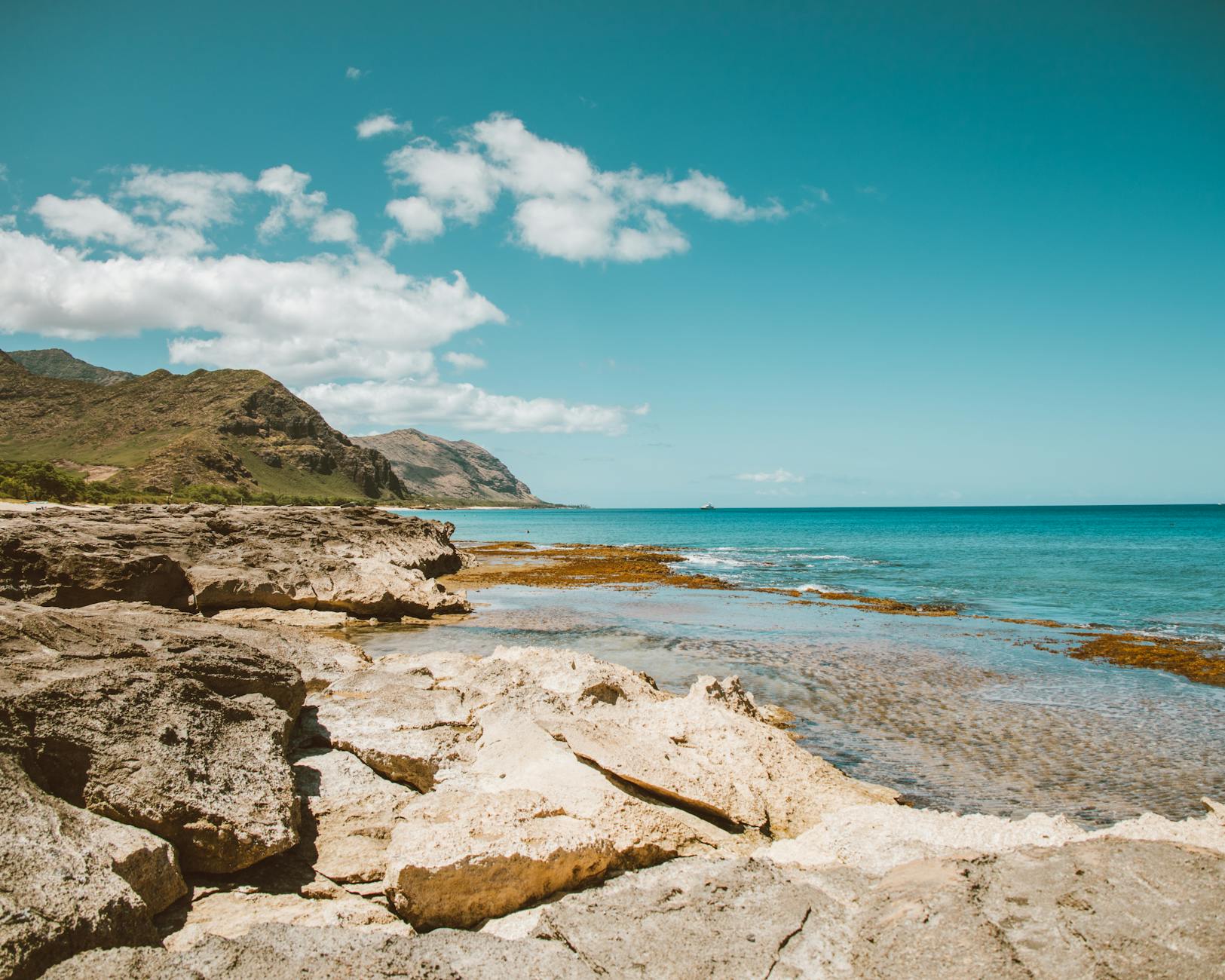
AICE Marine Science AS Chapter 5 Examples of marine ecosystems Day 4
This post discusses teaching strategies for AICE Marine Science, focusing on rocky shore ecosystems. It emphasizes understanding different zones, biotic and abiotic factors’ interaction, and organism adaptations. Practical tips are provided, including a lesson outline with a field trip, lecture, individual activities, and homework. The goal is to enhance student learning and exam success.
-

AICE Marine Science AS Chapter 5 Examples of marine ecosystems Day 3
This blog post offers effective teaching strategies for AICE Marine Science on coral reefs, erosion, and artificial reefs. It includes objectives, materials, lesson outline, small group activity, and homework. By employing these approaches, educators can enhance students’ understanding and exam performance, fostering a deeper appreciation for marine ecosystems and conservation efforts.
-

AICE Marine Science AS Chapter 5 Examples of marine ecosystems Day 2
This blog post provides effective strategies to improve teaching methods for AICE Marine Science, focusing on tropical coral reef formation, coral anatomy and classification, and types of corals. It includes teaching materials, vocabulary, lesson outline, and homework tasks. Engaging activities and dynamic teaching methods are emphasized to enhance students’ understanding and exam success.
-

AICE Marine Science AS Chapter 5 Examples of marine ecosystems Day 1
This post provides effective strategies for teaching AICE Marine Science, focusing on key concepts like ocean zones, interactions, and classification of ocean regions. The lesson plan includes engaging activities, visual aids, and real-world examples to enhance learning. Homework involves transcribing notes for more interactive class engagement.

Chapter 5 Examples of Marine Ecosystems
Categorise
- 1. Introduction to Environmental Management
- 2. Environmental Research and Data Collection
- 3. Managing Human Population
- 4. Managing Ecosystems and Biodiversity
- 5. Managing Resources
- 6. Managing Water Supplies
- 7. Managing the Atmosphere
- 8. Managing Climate Change
- AICE Environmental Exam Prep
- AICE Environmental Management
- AICE Marine Exam Preparation
- AICE Marine Science AS
- Chapter 0 Practical Skills
- Chapter 1 Water
- Chapter 2 Earth Processes
- Chapter 3 Interactions in Marine Ecosystems
- Chapter 4 Classification and Biodiversity
- Chapter 5 Examples of Marine Ecosystems
