

Chapter 4 Classification and Biodiversity Day#5. Lesson plan
Boost AICE Marine Science Exam Pass Rates with Engaging Lessons on Macroalgae and Marine Plants
As AICE Marine Science teachers, our goal is to ensure our students not only understand the material but excel in their exams. Focusing on key topics like macroalgae and marine plants can significantly enhance students’ grasp of marine ecosystems. In this blog post, we’ll explore strategies to teach these topics effectively, aiming for higher AICE Marine Science exam passing rates.
Objectives
- 4.2 Key groups of marine organisms-cont.
- state the main features of a typical macroalga
- describe the ecological and economic importance of macroalgae
- state the main features of a typical marine plant
- describe the ecological and economic importance of marine plants
Vocabulary
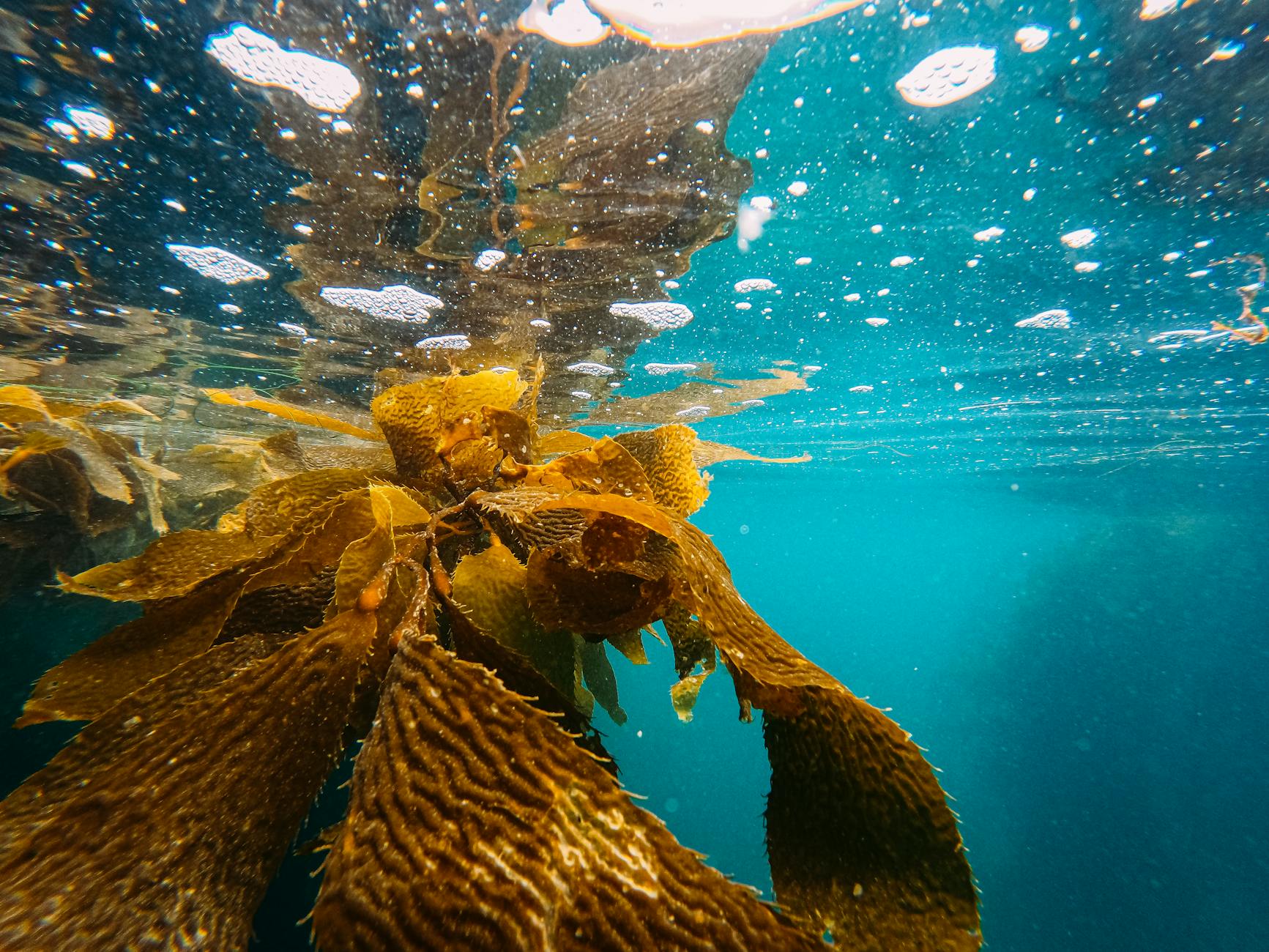
- Macroalgae: marine producers such as kelp and seaweeds
- Marine grasses: aquatic flowering plants that are often found in estuarine and coastal environment
Bellringer
- Bellringer#5
- Alternative: Identify two features characteristic to bony fish but missing in cartilaginous fish.
Lesson Outline
Hook
- Start your lesson with an engaging hook to captivate your students’ interest. Show a short, vibrant video showcasing various types of macroalgae in their natural habitats.
Instruction
- Lecture/Notes
- Describe the main features of macroalgae
- Describe the ecological and economic importance of macroalgae, highlighting:
- Habitat Formation: Macroalgae provide essential habitats and shelter for numerous marine organisms, including fish, invertebrates, and microorganisms.
- Primary Production: As primary producers, macroalgae play a crucial role in marine food webs, contributing to the overall productivity of coastal ecosystems.
- Nutrient Cycling: Macroalgae help in nutrient cycling by absorbing excess nutrients, thereby preventing harmful algal blooms.
- Food Source: Many species of macroalgae are harvested for human consumption, particularly in Asian cuisines (e.g., nori, kelp).
- Industrial Applications: Macroalgae are used in producing agar, carrageenan, and alginate, which have applications in food, pharmaceuticals, and cosmetics.
- Biofuel Potential: Research is ongoing into the use of macroalgae as a sustainable source of biofuel.
- Describe the main features of marine plants
- Describe the ecological and economic importance of marine plants, highlighting:
- Erosion Prevention: The roots of marine plants stabilize sediment, reducing coastal erosion.
- Carbon Sequestration: Marine plants play a significant role in sequestering carbon, thus mitigating climate change.
- Biodiversity Hotspots: They create complex habitats that support high biodiversity, including many commercially important fish species.
- Fisheries Support: Healthy marine plant ecosystems, like seagrass beds, support fisheries by providing nursery grounds for fish and shellfish.
- Tourism Attraction: Coastal areas with abundant marine plant life attract tourists for activities like snorkeling and diving.
- Medicinal Resources: Marine plants are sources of unique bioactive compounds used in pharmaceutical research and development.


- Small group activity
- Have students work in groups and make a poster comparing marine plants and macroalgae
- Exit ticket
- If you opt to have students complete their notes using the Student Guided Notes format during your lecture, then use the bellringer as the exit ticket activity in class.
- If you opt to have students complete their notes using the Student Guided Notes format at home (homework), then use the following exit ticket activity:
- Case Study 4.2: The importance of sea otters in maintaining kelp forest ecosystems – page 120-121 (Coursebook)
By incorporating these strategies into your teaching, you can create a dynamic learning environment that not only enhances students’ understanding of macroalgae and marine plants but also boosts their confidence and performance in the AICE Marine Science exams.
Homework
- The sole homework task assigned to my students revolves around meticulously transcribing notes in the Student Guided Notes format. They meticulously replicate content by hand from the Lecture/Notes (PPT – slides 33-36) presentation.
- This approach ensures that during class time, while I continue to deliver lectures and expound on topics, students have their notes already compiled. Consequently, they can actively engage, ask questions, and delve deeper into understanding rather than merely being preoccupied with note-taking. This strategy efficiently liberates valuable class time, allowing for engaging activities and practice Cambridge style questions.
More lessons…


