

Chapter 4 Classification and Biodiversity Day#3. Lesson plan
Engaging Strategies for Teaching AICE Marine Science: Focus on Crustaceans
Teaching AICE Marine Science can be incredibly rewarding, especially when you see your students grasp complex concepts and excel in their exams. To boost your students’ understanding and improve their passing rates, it’s essential to employ effective teaching strategies. This post will explore how to teach the main features of a typical adult crustacean and their ecological and economic importance, while keeping your students engaged and motivated.
Objectives
- 4.2 Key groups of marine organisms-cont.
- state the main features of a typical adult crustacean
- understand the ecological and economic importance of crustaceans
- make observations and drawings from unfamiliar structures or specimens from the key groups in topic 4.2 and additionally Cnidaria in topic 5.2
Vocabulary
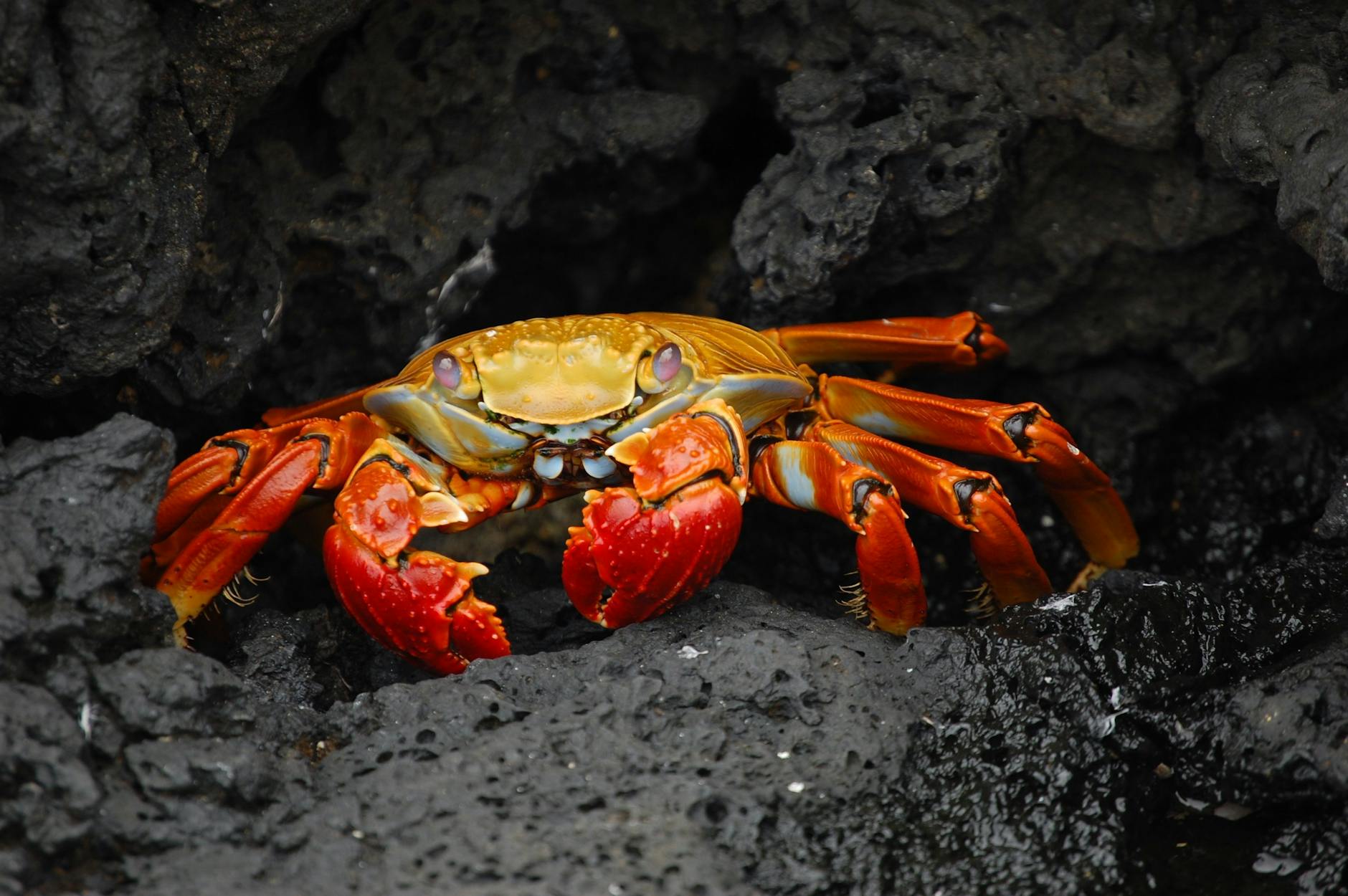
- Crustaceans: a marine invertebrate group with a hard exoskeleton, ten jointed legs and a nauplius larval stage
Bellringer
- Bellringer#3
- Alternative: Describe the purpose of tube feet.
Lesson Outline
Hook
- Start your lesson with an engaging hook to pique students’ interest. Show a short, captivating video clip of crustaceans in their natural habitats. Highlight fascinating behaviors, such as the intricate dance of the mantis shrimp or the impressive migration of the Christmas Island red crabs. This visual stimulus will grab their attention and set the stage for deeper exploration into the world of crustaceans.
Instruction
- Lecture/Notes
- Use detailed diagrams to illustrate each feature characteristic to crustaceans:
- Exoskeleton: Explain how the hard, chitinous exoskeleton provides protection and support.
- Segmented Body: Discuss the three main body segments – head, thorax, and abdomen – and their specific functions.
- Jointed Appendages: Highlight the role of jointed limbs in movement, feeding, and sensory perception.
- Antennae: Describe how crustaceans use their antennae for sensing their environment.
- Discuss the ecological and economic role of crustaceans
- Ecological Roles: Explain the role of crustaceans in food webs, as detritivores, and as prey and predators in marine ecosystems.
- Economic Value: Discuss the commercial importance of crustaceans such as shrimp, crabs, and lobsters in global fisheries and aquaculture.
- Use detailed diagrams to illustrate each feature characteristic to crustaceans:


- Small group activity
- Have students compare the anatomy of different crustacean species to understand variations and adaptations- provide models or pictures.
- Exit ticket
- If you opt to have students complete their notes using the Student Guided Notes format during your lecture, then use the bellringer as the exit ticket activity in class.
- If you opt to have students complete their notes using the Student Guided Notes format at home (homework), then use the following exit ticket activity:
- Question 2 page 144 (Coursebook)
By employing these strategies, you can create a dynamic and engaging learning environment that not only covers the curriculum but also fosters a deep appreciation and understanding of marine science. With thorough preparation and interactive teaching methods, you’ll be well on your way to improving your students’ AICE Marine Science exam success rates.
Homework
- The sole homework task assigned to my students revolves around meticulously transcribing notes in the Student Guided Notes format. They meticulously replicate content by hand from the Lecture/Notes (PPT – slides 21 – 27) presentation.
- This approach ensures that during class time, while I continue to deliver lectures and expound on topics, students have their notes already compiled. Consequently, they can actively engage, ask questions, and delve deeper into understanding rather than merely being preoccupied with note-taking. This strategy efficiently liberates valuable class time, allowing for engaging activities and practice Cambridge style questions.
More lessons…


