

2. Environmental Research and Data Collection Day#3. Lesson plan
Enhancing AICE Environmental Management: Investigating Salt’s Impact on Seed Germination
As AICE Environmental Management teachers, our goal is to not only educate but also inspire our students to excel in their exams. One of the most effective ways to achieve higher passing rates is by creating engaging, hands-on lessons that make complex concepts tangible and memorable. This blog post explores strategies to improve teaching methods through a lesson focused on investigating the impact of salt on seed germination.
Objectives
- 2.1 The scientific method
- Lab activity – Day 1
Materials
- Bell ringer #3
- Lab activity- Day 1- Investigating the Impact of Salt on Seed Germination
Vocabulary
- Variable: a variable that depends on other factors. It is the variable being measured in the experiment.
- Control group: the group of test objects left untreated or unexposed to the independent variable. The results from this group are then compared to the results of the test objects
- Sample: a set of data (number of plants, number of species, plant distribution) taken from a larger population for measurement.
- Control variable: any variable that is held constant in an experiment.
Bellringer
- Bell ringer #3
- Alternative: Describe the difference between control group and controlled variables.
Lesson Outline
Hook
- Start your lesson with a thought-provoking hook to capture students’ interest. Present them with a real-world scenario:
“Imagine a coastal community where seawater intrusion has become a major problem. The local farmers are struggling to grow crops because of the increased salt levels in the soil. How do you think salt affects seed germination and plant growth?” - This scenario sets the stage for the lesson, encouraging students to think critically about environmental issues and their real-life applications.
- Bell ringer #3
- Understanding the impact of salt on seed germination is crucial for AICE Environmental Management students as it ties directly into larger issues affecting global agriculture, food security, and poverty.
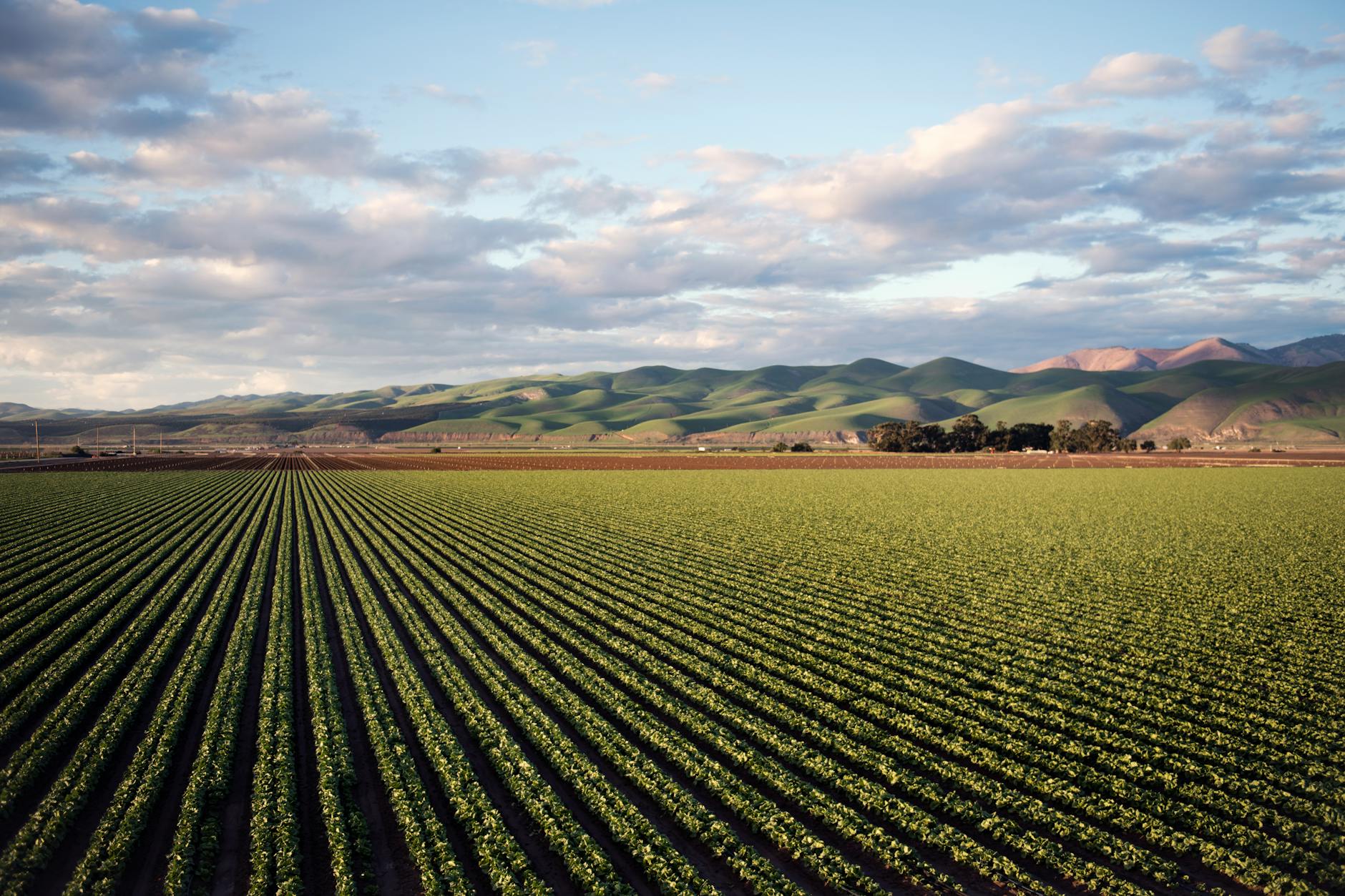
- Impact on Agriculture: Soil salinization is a major threat to agriculture. High salt levels in the soil can inhibit seed germination and reduce crop yields, making it difficult for farmers to produce enough food. This can lead to food shortages and increased food prices, as supply struggles to meet demand.
- Food Shortages and Price Increases: Reduced agricultural productivity due to soil salinization can contribute to food shortages. As the availability of crops decreases, food prices rise, making it harder for people, especially in low-income communities, to afford basic necessities. This exacerbates poverty and can lead to malnutrition and food insecurity.
- Poverty: When farmers cannot grow enough crops due to soil salinization, their incomes suffer. This can trap them in a cycle of poverty, as they have fewer resources to invest in better farming practices or to purchase higher-quality seeds and fertilizers. Additionally, communities reliant on agriculture face economic instability, impacting overall societal well-being.
- Investigating the Impact of Salt on Seed Germination – Hands-on activity
- Objective: To understand how varying concentrations of salt affect the germination rate of seeds and to draw conclusions about the implications for agricultural practices in salt-affected areas.
- Materials Needed:
Seeds (e.g., radish or mung beans) -I prefer radish
Petri dishes
Filter paper
Measuring cylinders
Salt (sodium chloride)
Water
Labels and markers
Ruler - Briefly discuss the importance of seed germination in plant life cycles and agriculture.
- Introduce the concept of salinity and its sources, including natural processes and human activities.
- Have students form hypotheses about how different concentrations of salt will affect seed germination. Encourage them to think about possible outcomes and justify their predictions based on prior knowledge.
- Experimental Design:
- Divide students into small groups and provide them with materials.
- Instruct each group to prepare salt solutions of varying concentrations (e.g., 0%, 1%, 3%, 5%, and 7%). Add 1 gr of salt to 100 mL water to make a 1% salt solution, 3 gr. of salt to 100 mL of water for a 3% salt solution.
- Place filter paper in each Petri dish and add a measured amount (10 mL) of the corresponding salt solution.
- Place an equal number of seeds on the filter paper in each dish.
- Label each dish with the salt concentration and group name.
- Students will write a lab report including: Title, Hypothesis, Materials, Procedures, Data collection and observations, Analysis, Conclusions.
- Students will complete the following sections of the lab report on this day: Title, Hypothesis, Materials, Procedures.
- Over the course of a week, students will observe and record the number of seeds that germinate in each dish daily.
- Encourage students to note any differences in seedling growth and overall health.
- Exit ticket
- If you opt to have students complete their notes using the Student Guided Notes format during your lecture, then use the bellringer as the exit ticket activity in class.
- If you opt to have students complete their notes using the Student Guided Notes format at home (homework), then use the following exit ticket activity:
- What did you learn today?
By incorporating these strategies into your teaching, you can create a dynamic and engaging learning environment that not only helps students understand the impact of salt on seed germination but also prepares them for success in their AICE Environmental Management exams.
Homework – high level/flipped classroom
- Version A – For High-Level Students:
Ideal for independent or advanced learners, this version requires students to copy all notes by hand as homework before class. This flipped-learning approach helps students come to class prepared, freeing up time for application activities, discussions, and AICE-style practice questions.
Investing time in well-designed, hands-on lessons will pay off in higher exam passing rates and a deeper understanding of environmental concepts among your students.
More lessons…


